
The Allure of Chance and Risk
Casino games possess a captivating allure that draws millions to gaming tables and slot machines worldwide. This fascination often stems from an intrinsic human interest in chance and risk. The thrill of uncertainty invites players into a domain where outcomes remain unpredictable, generating an adrenaline rush that is both exhilarating and potentially addictive. For those interested in the thrill of gaming, online pokies real money can provide an exciting experience. Research indicates that during gambling, the brain experiences elevated dopamine levels, akin to other rewarding activities, which significantly enhances the appeal of these games.
Moreover, the psychology of risk-taking behavior is intricate and shaped by various factors such as personality traits, prior experiences, and social environments. Some individuals thrive in high-stakes situations, relishing the excitement associated with the possibility of success or failure. For these players, gambling transcends mere entertainment; it transforms into a quest for personal validation and a means to assert their capabilities. In contrast, others may find the experience overwhelming, leading to anxiety or avoidance of such environments altogether, highlighting the diverse reactions to gambling.
The design of casino games cleverly exploits this psychological dynamic. Bright lights, engaging sounds, and alluring visuals create an immersive atmosphere that captures players’ attention. This sensory stimulation amplifies the emotional experience, making it increasingly challenging for players to disengage. As a result, the thrill of potential winnings becomes intertwined with the allure of risk, reinforcing repeated play and often leading to habitual behavior, making casinos a compelling environment for many.
The Role of Superstitions and Beliefs
Superstitions significantly influence the psychology behind casino games. Players often cultivate rituals or beliefs that they believe enhance their chances of winning. For instance, some may don lucky clothing or adhere to specific routines before placing bets, nurturing a sense of control over an otherwise random outcome. This tendency underscores the human drive to seek patterns amid chaos, allowing individuals to feel empowered even in unpredictable scenarios, thereby enhancing their gaming experience.
Belief systems surrounding luck and chance can widely vary across different cultures. Certain numbers or symbols are viewed as particularly fortunate in some traditions, influencing players’ decisions in games such as roulette or poker. These cultural superstitions can enrich the gaming experience, as individuals frequently share these beliefs with fellow players, fostering a sense of community that reinforces their significance. The communal aspect of these beliefs can further enhance the enjoyment of gaming, as players feel connected through shared experiences.
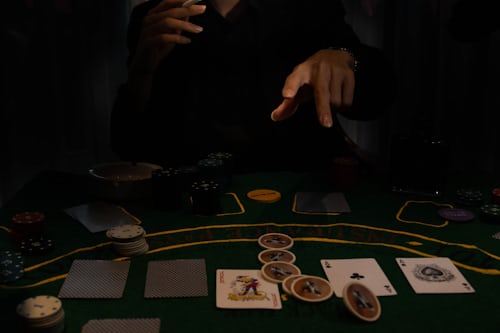
While superstitions can provide comfort and heighten enjoyment, they may also lead to adverse outcomes. When players attribute their losses to bad luck or external circumstances rather than recognizing poor decision-making, they may find themselves trapped in a cycle of chasing losses or returning to the casino for redemption. This behavioral pattern is often fueled by cognitive biases that distort reality, leading to increased gambling frequency and the potential for addiction. Understanding these psychological elements is crucial for fostering healthier gaming habits.
The Impact of Social Interaction
Casino games frequently serve as social events, where players congregate to share in the excitement of gaming. This social dimension of gambling is rooted in psychology, as humans are inherently social creatures who thrive in communal environments. Engaging with others can significantly amplify the thrill of play, as shared emotions and collective highs and lows create memorable experiences. For many, the social aspect may prove more compelling than the games themselves, encouraging frequent visits to casinos and fostering a sense of belonging.
Additionally, social dynamics can profoundly influence individual behavior at the gambling table. The presence of others can lead to phenomena such as “peer pressure,” where individuals may take more risks than they typically would when alone. The desire to fit in or impress fellow players can heighten the stakes, driving decision-making that prioritizes social acceptance over logical reasoning. This behavior illustrates the powerful impact that social interaction can have on personal choices, especially in high-stakes environments like casinos.
However, the social elements of casino gaming can also produce negative implications. While fostering a sense of community, it can cultivate unhealthy competition and rivalry, pushing players into risky gambling habits. The pressure to maintain a successful image among peers can compel individuals to make impulsive bets, further entrenching them in a cycle of gambling. Understanding the psychological motivations behind social gambling is essential for promoting responsible gaming habits and creating a supportive environment for those who partake in these activities.
Cognitive Biases and Decision Making
Humans are susceptible to various cognitive biases that significantly shape their decision-making processes, particularly in gambling contexts. One of the most prevalent biases is the “gambler’s fallacy,” which is the belief that past outcomes influence future probabilities. For example, a player who endures several losses might mistakenly believe that a win is “due.” This flawed reasoning can lead to increased betting, as they assume that luck will eventually favor them. Recognizing these biases is crucial for understanding how they can distort perception and lead to irrational behavior.

Another significant bias is “loss aversion,” characterized by the tendency to prefer avoiding losses over acquiring equivalent gains. In a casino environment, this may manifest as a player who continues to gamble in an effort to recover previous losses, dismissing the statistical realities of their situation. The emotional pain associated with losing can overshadow rational thought processes, encouraging players to engage in reckless betting behaviors. Such biases cloud judgment and can contribute to gambling addiction, emphasizing the need for awareness.
Moreover, the design of casino games often capitalizes on these cognitive biases. By integrating elements such as near-misses or frequent small wins, game designers create a misleading sense of success that keeps players engaged. These strategic design choices manipulate psychological responses, encouraging longer play sessions and increased spending. Awareness of these cognitive dynamics can provide valuable insights for both players and operators, promoting a more informed approach to responsible gaming and enhancing the overall gaming experience.
Exploring Responsible Gaming on This Website
This website is dedicated to promoting responsible gaming and providing valuable insights into the psychological aspects of casino games. By delving into the complexities of human behavior within gambling contexts, we encourage players to approach gaming with awareness and mindfulness. Understanding the psychological triggers that drive gambling behavior empowers individuals to make informed decisions and recognize when enjoyment may be veering into obsession, fostering a healthier attitude towards gaming.
In addition to offering resources about the psychology of gambling, the website includes tools for self-assessment and strategies to promote responsible gaming habits. We firmly believe that knowledge is vital for cultivating a healthier perspective towards gambling, emphasizing the importance of balance and moderation. Players can find support and guidelines that encourage safer gaming experiences, ensuring that entertainment remains enjoyable and does not escalate into harmful behaviors.
We invite visitors to explore the extensive information available on our platform and engage in discussions about gambling psychology. By sharing experiences and insights, we can collectively contribute to a more responsible gaming culture that prioritizes mental health and well-being. This website serves as a valuable resource for anyone interested in understanding the intricacies of gambling behavior and the psychological factors at play in the gaming world, enhancing awareness and promoting healthier gaming practices.
